


Some error occured while loading the Quick View. Please close the Quick View and try reloading the page.
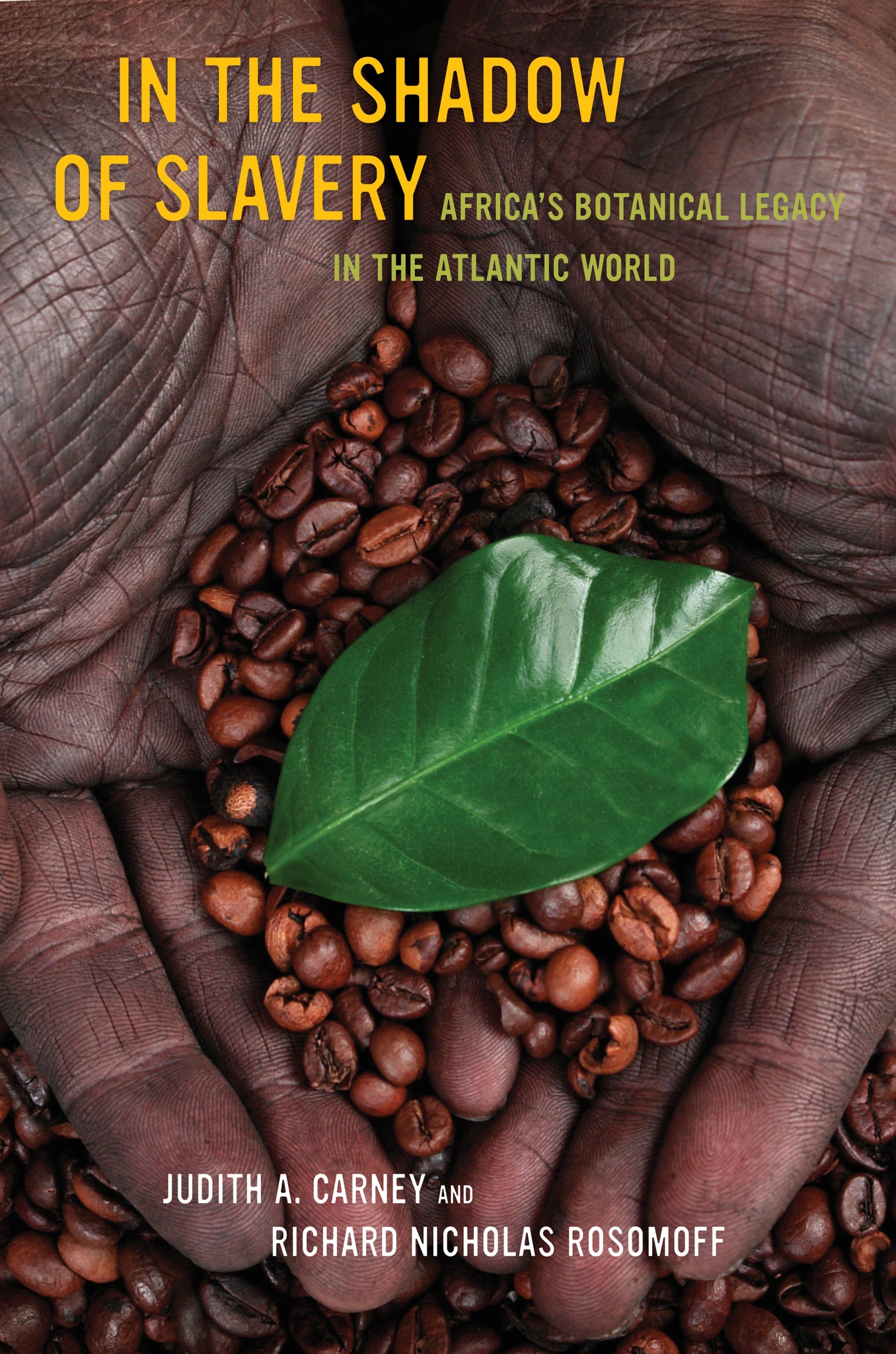
The transatlantic slave trade forced millions of Africans into bondage. Until the early nineteenth century, African slaves came to the Americas in greater numbers than Europeans. In the Shadow of Slavery provides a startling new assessment of the Atlantic slave trade and upends conventional wisdom by shifting attention from the crops slaves were forced to produce to the foods they planted for their own nourishment. Many familiar foods—millet, sorghum, coffee, okra, watermelon, and the “Asian” long bean, for example—are native to Africa, while commercial products such as Coca Cola, Worcestershire Sauce, and Palmolive Soap rely on African plants that were brought to the Americas on slave ships as provisions, medicines, cordage, and bedding. In this exciting, original, and groundbreaking book, Judith A. Carney and Richard Nicholas Rosomoff draw on archaeological records, oral histories, and the accounts of slave ship captains to show how slaves' food plots—“botanical gardens of the dispossessed”—became the incubators of African survival in the Americas and Africanized the foodways of plantation societies.

Price: $25.95
Pages: 296
Publisher: University of California Press
Imprint: University of California Press
Publication Date:
01 February 2011
Trim Size: 9.00 X 6.00 in
ISBN: 9780520269965
Format: Paperback
BISACs:
“Carney and Rosomoff’s volume now takes its place as essential reading for anyone trying to understand the long-ignored interaction between environmental change, global commerce, natural knowledge, and slavery.”
Judith A. Carney is Professor of Geography at the University of California, Los Angeles. She is the author of the award-winning book Black Rice: The African Origins of Rice Cultivation in the Americas. Richard Nicholas Rosomoff is an independent writer.
LIST OF ILLUSTRATIONS
ACKNOWLEDGMENTS
Introduction
1 / Food and the African Past
2 / African Plants on the Move
3 / African Food Crops and the Guinea Trade
4 / African Food and the Atlantic Crossing
5 / Maroon Subsistence Strategies
6 / The Africanization of Plantation Food Systems
7 / Botanical Gardens of the Dispossessed
8 / Guinea’s Plants and European Empire
9 / African Animals and Grasses in the NewWorld Tropics
10 / Memory Dishes of the African Diaspora
NOTES
SELECTED BIBLIOGRAPHY
INDEX
ACKNOWLEDGMENTS
Introduction
1 / Food and the African Past
2 / African Plants on the Move
3 / African Food Crops and the Guinea Trade
4 / African Food and the Atlantic Crossing
5 / Maroon Subsistence Strategies
6 / The Africanization of Plantation Food Systems
7 / Botanical Gardens of the Dispossessed
8 / Guinea’s Plants and European Empire
9 / African Animals and Grasses in the NewWorld Tropics
10 / Memory Dishes of the African Diaspora
NOTES
SELECTED BIBLIOGRAPHY
INDEX